


Seeing What Shoppers Actually Do
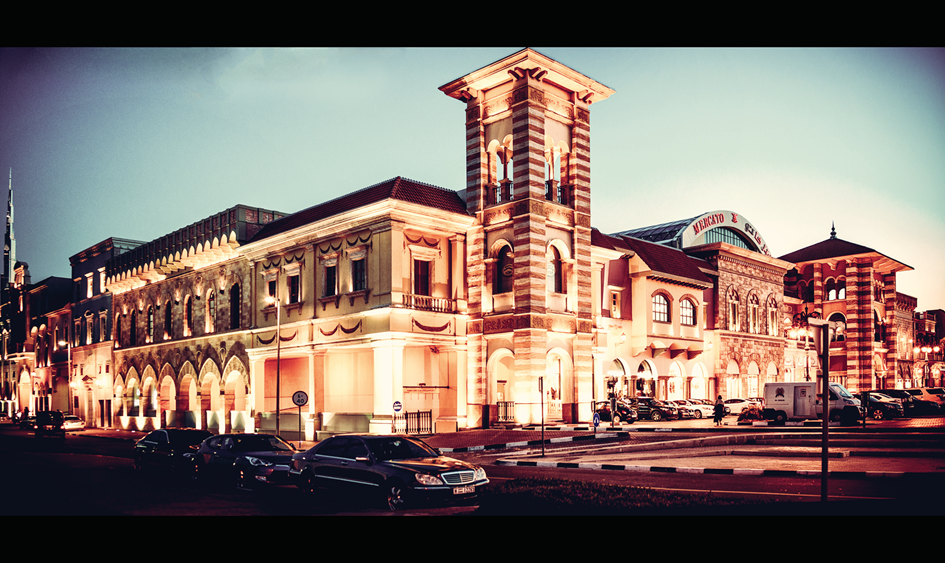
EZELINK gave Mercato Mall what online retailers have always had and physical retail never did — free WiFi across 643,000 sq ft, and consented, anonymised analytics showing where visitors go, how long they stay and which stores they enter before and after.
Physical Retail Was Trading With Its Eyes Closed
An online retailer knows which products a customer looked at, in what order, for how long and how often they came back. A shopping mall, historically, knew almost none of that — and it is competing with the online retailer for the same spend.
Footfall counting was the available answer and it was not good enough. Counters tell you how many people came through a door. They cannot tell you how long anyone stayed, whether they had been before, or where they went next. They miscount when people move around, they double-count children, and they produce a number that feels like data without answering a single useful question.
Asking shoppers directly does not work either. People are unreliable narrators of their own habits — what they say they do in a mall and what they actually do are different things.
Then there is the building itself. Pinpointing location indoors is genuinely difficult in retail: hundreds of electronic devices are on sale and radiating, and almost every store runs its own private wireless network, all of it interfering with everything else.
- Footfall counters that count people but explain nothing
- No way to distinguish a first-time visitor from a regular
- No measurement of whether events and campaigns changed behaviour
- Severe RF interference from retail electronics and store-private networks
- Tenants with no visibility of their own footfall relative to the mall
Free WiFi, Then the Analytics Underneath It
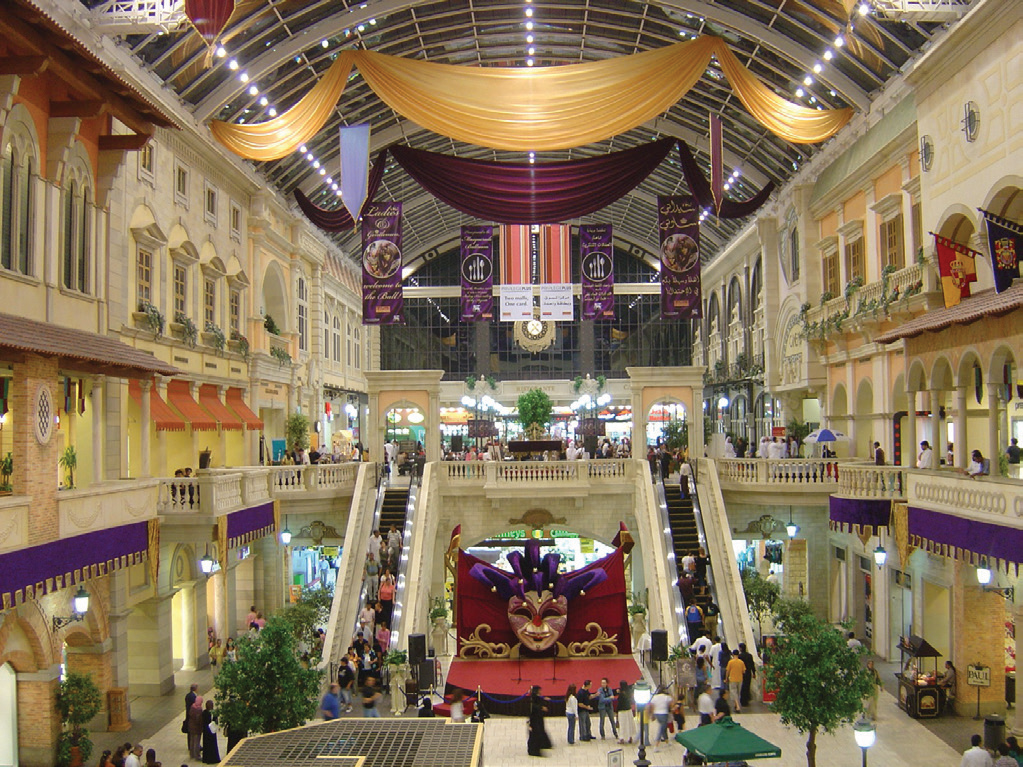
We built a dual-band wireless network across the whole mall, with a controller, gateway-level bandwidth management and a monetization engine behind it. Visitors get genuinely free WiFi anywhere in the building. That is the visible half.
The half that changed how Mercato operates is what the network can measure. Once a visitor accepts the terms and connects, the platform can distinguish a first-time visitor from a returning one, and record which areas they pass through and how long they spend in each — up to 50,000 devices simultaneously, with reliable accuracy in common areas such as corridors and the food court.
That produces the kind of question a mall could never previously answer: when we host a concert, how many people come, how does it change their shopping, and how many visit stores before and afterwards? Which customer segments respond to which campaigns? How many visitors stay under five minutes in an area, five to fifteen, or longer — rather than a single meaningless average?
On privacy: analytics are anonymised and depend on the visitor opting in by accepting the terms of the free WiFi. The mall sees patterns and segments, not identified individuals. Any deployment today should also be reviewed against current UAE data protection requirements before launch.
Visit Frequency by Segment
How often moviegoers, fashion shoppers or diners return — and how those groups differ.
Dwell Time Bands
How many visitors spend under 5 minutes, 5–15, or longer in an area. Averages hide this entirely.
New vs Returning
Whether a campaign brought genuinely new visitors or simply moved existing ones around.
Shopping Path
Which stores a visitor passes before and after a given tenant — the basis for tenant-mix decisions.
The Numbers Behind the Build
- Client
- Mercato Mall, Jumeirah, Dubai
- Area
- 643,000 sq ft
- Tenants
- 140+ stores, restaurants, playground, 700-seat multiplex
- Simultaneous tracking
- Up to 50,000 devices
- Wireless
- Dual-band access points, mall-wide
- Platform
- Wireless controller · gateway bandwidth management · analytics and monetization engine
- Hosting
- Dedicated rackspace
- Scope
- Guest WiFi · Location analytics · Tenant reporting · Campaign measurement
Data the Tenants Wanted Too
Mercato can now measure whether a marketing programme worked: for any event, how many people came, what it did to their shopping behaviour, and how many visited stores before and after. Different customer segments can be compared against different campaigns, and real behaviour turns out to predict purchasing far better than stated intentions.
The unexpected value landed with the tenants. Mercato provides retailers with reports showing footfall by time of day and day of week, how many visitors are returning, and which stores people tend to visit before and after theirs — plus comparison against similar stores and against the mall as a whole. A fashion retailer seeing that comparable stores attract more visitors has a reason to change a display or run an offer. Knowing footfall by hour is also simply useful for rostering staff.
For mall management, the same data informs commercial decisions: which tenants draw visitors who then shop elsewhere in the building, and how the tenant mix should evolve at renewal.
- Free WiFi mall-wide across 643,000 sq ft and 140+ stores
- 50,000 devices tracked simultaneously in common areas
- Campaign and event effectiveness measured against actual behaviour
- Tenant reporting on footfall, dwell time, repeat visits and adjacency
- Lease and tenant-mix decisions informed by visitor movement
"For each day at the mall, we now can count the number of people, the impact on their shopping habits, and how many shoppers visit stores before and after. We'll see how different customer segments, such as casual fashion shoppers, respond to our events and advertising."
Debbie Russo · Marketing & Communications Director · Mercato Mall
The Solutions Behind This Project
Let's Show You What Your Visitors Actually Do
Tell us about your centre and what you wish you could measure. We'll survey the building and design guest WiFi with the analytics layer built in, starting with a free site survey.
Book a Free Site Survey